Maharashtra, India

Places to Visit in Mumbai

Discover the best places to visit in Mumbai, a vibrant coastal city known for its historic architecture, cultural landmarks, religious sites and beautiful waterfront. From the iconic Gateway of India and ancient Elephanta Caves to the lively Marine Drive and Juhu Beach, Mumbai offers a memorable experience for every traveller.

Gateway of India, iconic historical monument in Mumbai
Historical Landmark

Gateway of India

The Gateway of India is one of Mumbai's most recognisable landmarks and an important symbol of the city's colonial history. Located at Apollo Bunder in South Mumbai, this impressive arch monument overlooks the Arabian Sea. Its foundation stone was laid in 1911 to commemorate the visit of King George V and Queen Mary to India. The monument was completed in 1924 and designed in the Indo-Saracenic architectural style.

The waterfront around the Gateway of India is one of the city's most visited public spaces. Visitors can admire the monument's stone architecture, enjoy views of the harbour and watch boats departing towards Elephanta Island. The nearby Taj Mahal Palace and Colaba neighbourhood make this area an excellent starting point for exploring Mumbai's historic attractions.

Ancient Elephanta Caves rock-cut temple sculptures near Mumbai
UNESCO World Heritage Site

Elephanta Caves

Elephanta Caves are among the most remarkable examples of ancient rock-cut architecture in India. Located on Elephanta Island in Mumbai Harbour, these historic caves are primarily dedicated to Lord Shiva and date between the 5th and 8th centuries. The site is recognised as a UNESCO World Heritage Site for its outstanding sculptures, architecture and religious significance.

The main cave is especially famous for the impressive Trimurti sculpture, which depicts Shiva in three aspects. Other notable carvings represent different forms and stories associated with the deity. Visitors can reach the island by ferry from the Gateway of India and explore the cave complex, stone pillars and surrounding island landscape. The journey offers a combination of history, art and scenic harbour views.

Marine Drive coastline and city skyline in Mumbai
Coastal Attraction

Marine Drive

Marine Drive is one of Mumbai's most famous waterfront destinations, stretching along the Arabian Sea in South Mumbai. This approximately 3.6-kilometre-long promenade is known for its sweeping coastal curve and impressive views of the sea and city skyline. It is popularly called the "Queen's Necklace" because the streetlights along the curved road resemble a string of sparkling pearls when viewed at night.

The promenade is a favourite place for morning walks, evening strolls and watching sunsets over the Arabian Sea. Visitors can sit along the sea-facing promenade, enjoy the coastal breeze and observe the lively rhythm of Mumbai. The surrounding Art Deco buildings also add architectural character to the area, making Marine Drive an essential stop for anyone exploring the city.

Historic Chhatrapati Shivaji Maharaj Terminus railway station in Mumbai
UNESCO World Heritage Site

Chhatrapati Shivaji Maharaj Terminus

Chhatrapati Shivaji Maharaj Terminus, commonly known as CSMT, is one of Mumbai's most significant architectural landmarks. Originally known as Victoria Terminus, the historic railway station was completed in 1887. Designed by architect Frederick William Stevens, the building combines Victorian Gothic Revival architecture with traditional Indian architectural elements. It was recognised as a UNESCO World Heritage Site in 2004.

Beyond serving as one of the city's busiest railway stations, CSMT is admired for its grand dome, decorative stone carvings, pointed arches, towers and detailed architectural features. Visitors interested in heritage buildings and historic design can appreciate its impressive exterior and the role it has played in Mumbai's development. It remains a remarkable example of the city's architectural heritage.

Haji Ali Dargah religious landmark surrounded by the Arabian Sea in Mumbai
Religious Heritage

Haji Ali Dargah

Haji Ali Dargah is one of Mumbai's best-known religious landmarks, located on a small islet off the coast of Worli. The shrine contains the tomb associated with Pir Haji Ali Shah Bukhari and is an important place of worship for visitors from different communities. Its location surrounded by the Arabian Sea gives the site a distinctive setting and makes it one of the city's most recognisable coastal landmarks.

The dargah is connected to the mainland by a narrow causeway that becomes accessible during suitable low-tide conditions. Visitors can admire its Indo-Islamic architectural features, including its white structure, domes and minarets. The combination of spiritual importance, sea views and distinctive architecture makes Haji Ali Dargah an important destination in Mumbai.

Hindu temple architecture representing Mumbai's religious heritage
Religious Attraction

Shree Siddhivinayak Temple

Shree Siddhivinayak Temple in Prabhadevi is one of Mumbai's most revered Hindu temples. Dedicated to Lord Ganesha, the temple was established in 1801 and has become an important centre of devotion for people from across India. Its distinctive Ganesha idol and long-standing religious traditions have made it one of the city's most recognised spiritual destinations.

The temple attracts large numbers of devotees throughout the year, especially on Tuesdays and during Ganesh Chaturthi. Its architecture includes a prominent shrine, decorated interiors and a distinctive gold-plated dome. Visitors can experience the devotional atmosphere and learn about the important role of Lord Ganesha in Maharashtra's religious and cultural traditions.

Museum gallery and historical artefacts
Museum and Culture

Chhatrapati Shivaji Maharaj Vastu Sangrahalaya

Chhatrapati Shivaji Maharaj Vastu Sangrahalaya, formerly known as the Prince of Wales Museum of Western India, is one of Mumbai's most important museums. Located near the Gateway of India, the museum is housed in a historic building known for its Indo-Saracenic architectural style. Its collections bring together objects that represent India's artistic, cultural and historical traditions.

The museum displays a wide range of collections, including sculptures, paintings, decorative arts, archaeological objects and historical artefacts. Its galleries provide an opportunity to explore different periods of Indian history and artistic expression. The building itself is also worth appreciating for its dome, decorative details and architectural design. It is an excellent destination for visitors interested in art, culture and heritage.

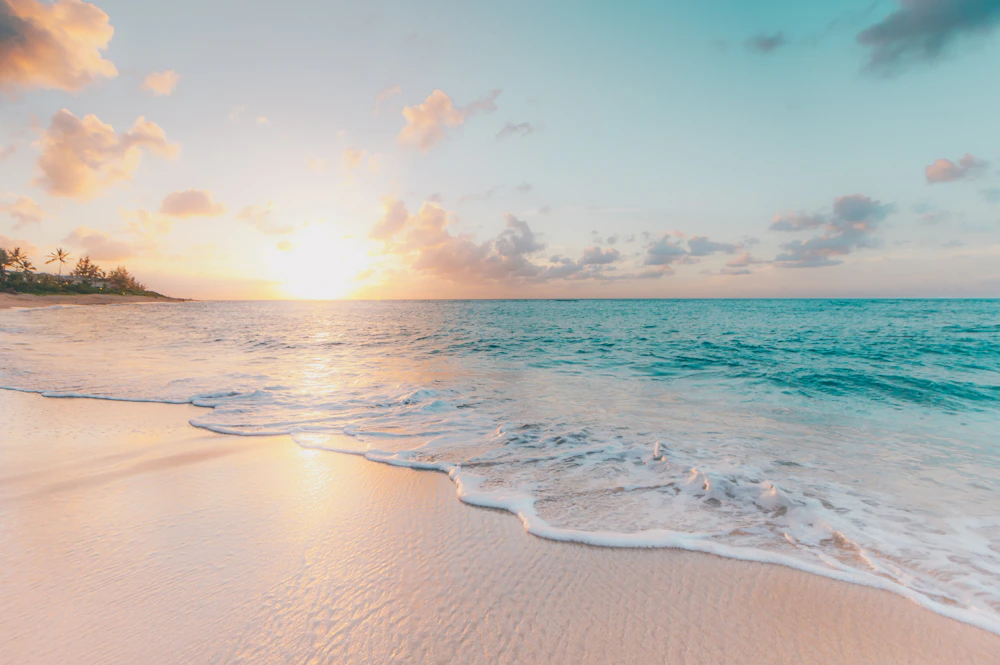
Sandy beach and Arabian Sea at Juhu Beach in Mumbai
Beach and Recreation

Juhu Beach

Juhu Beach is one of Mumbai's most popular coastal destinations, located along the Arabian Sea in the western suburbs. Known for its wide sandy shoreline and lively atmosphere, the beach attracts residents and visitors throughout the year. It is particularly popular in the evenings, when people gather to enjoy the sea breeze, watch the sunset and spend time along the waterfront.

Juhu Beach is also famous for its street-food culture, with local vendors serving popular Mumbai snacks such as pav bhaji, bhel puri and pani puri. The surrounding neighbourhood is associated with Mumbai's film industry and includes restaurants, hotels and residential areas. Whether visitors want to enjoy the coastline, try local food or experience the city's everyday atmosphere, Juhu Beach offers a memorable Mumbai experience.